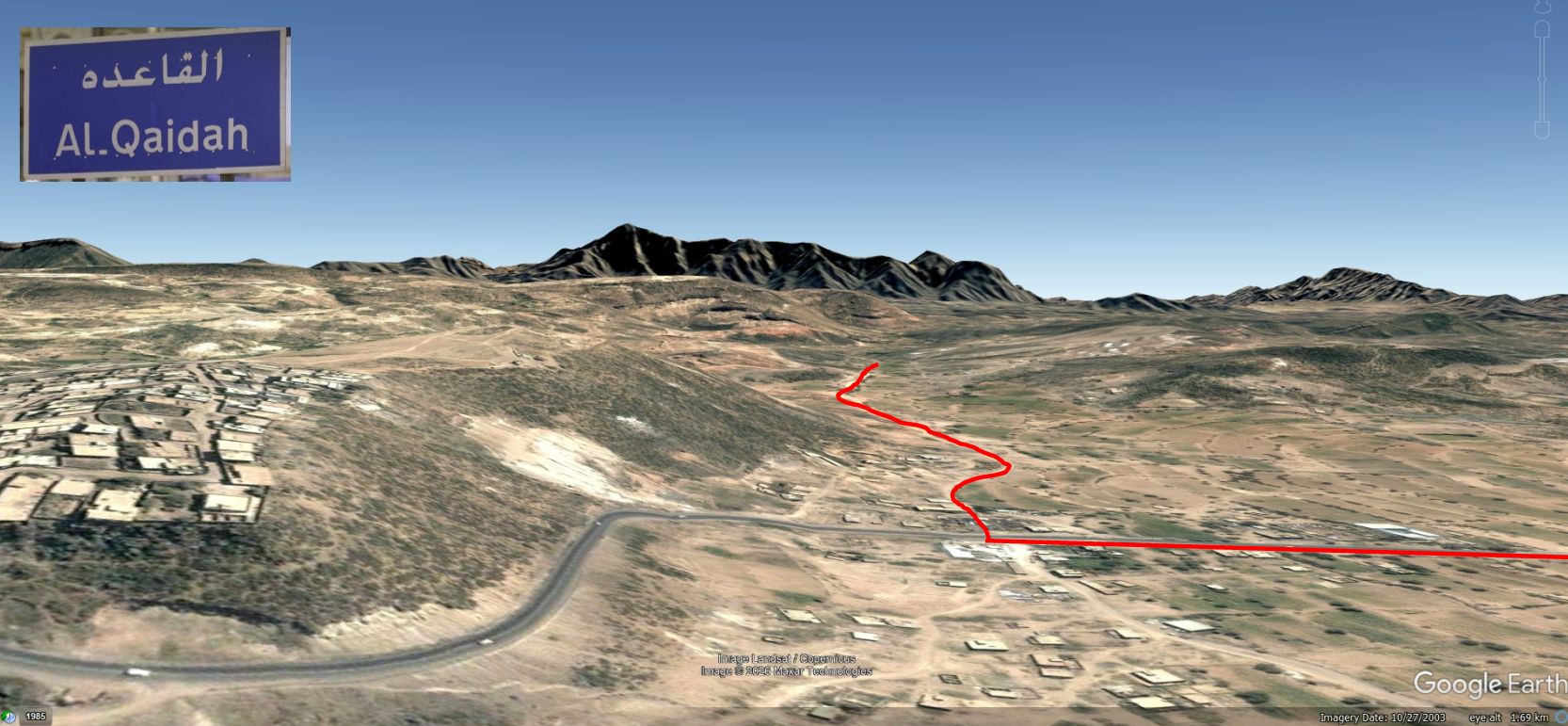
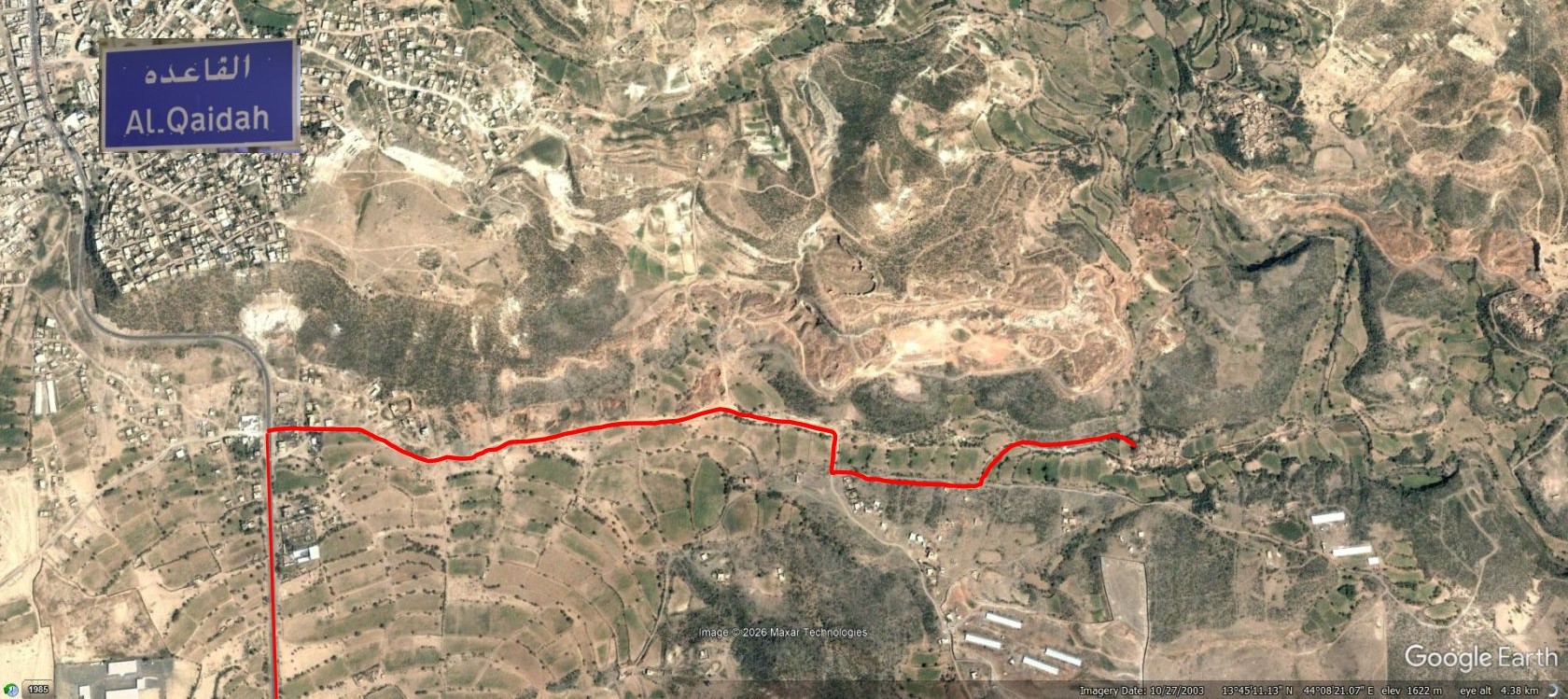
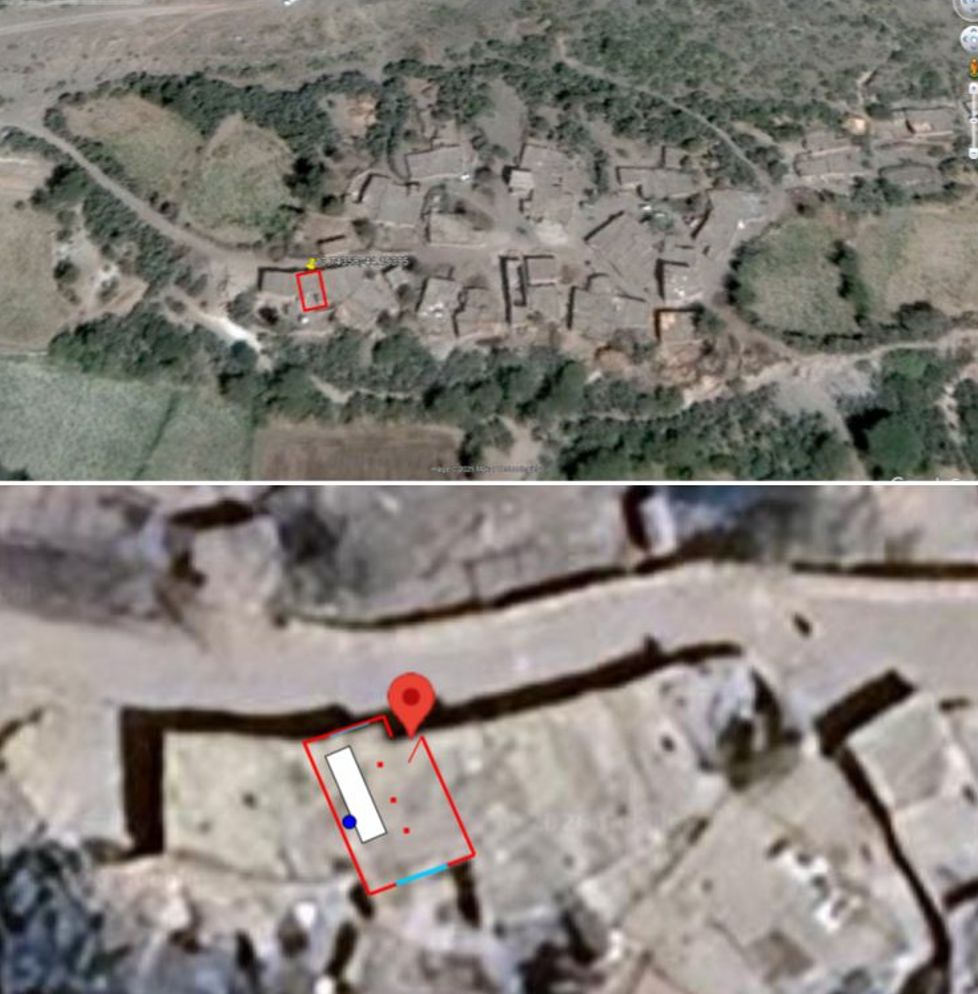
Al Qaidah town in the central highlands of Yemen is named after a military base established on the site in 1174 AD. An army sent by Saladin (Sultan of Egypt and Syria) chose it for its strategic location controlling a mountain pass between Taiz and Sanaa. It’s historical significance is massive and Osama bin Laden will undoubtedly have known about it because his 1980s Yemeni mentor (Sheikh Abdul-Majeed al-Zindani) came from the same Ibb governorate as Al Qaidah, as did OBL's fifth wife (Amal al-Sadah, married 2000). And yet in the 30+ years of Al Qaeda's existence no one but me has claimed Al Qaidah and Al Qaeda may be related. Admittedly I have an advantage in this matter because I have been to Al Qaidah - on the last day of a business trip to a customer in nearby Taiz city back in 1997. My customer, the multi-billion-dollar Hayel Saeed Anam Group, was hosting Khalid Sheikh Mohammed’s foreign (Saudi, Pakistani) terrorist cell in their Taiz headquarters. My employer who sent me to Yemen was my family's Queen's Award winning engineering export company JM Heaford Ltd.
1979-89: Top Yemeni General Ali Mohsen (President Saleh’s brother-in-law) helped OBL mobilize many of the Afghan-Arab Mujahideen. A third of the estimated 30,000 Arab volunteers for the anti-Soviet Jihad were Yemeni. General Mohsen visited OBL in Afghanistan and OBL visited him in Yemen. They were partners in this enterprise and as the conflict drew to a close had a duty to help demobilize those they’d helped deploy to Afghanistan.
1987: There’s a record (letter by OBL) of a visit OBL made to Yemen in the same year a ceasefire had been agreed with the Soviets. That’s when I think OBL, his Yemeni mentor (from Ibb) and General Ali Mohsen arranged a sanctuary for their Afghan-Arab Jihadi veterans near Al Qaidah town. Press reports say OBL gave General Mohsen $20-million to help resettle his brothers-in-arms.
1990s: In his 2004 autobiography CIA contractor Billy Waugh admitted he “… worked right there with these al-Qaeda operatives and heard these arguments [about the badness of US policy] firsthand many times, especially during an assignment in Yemen”. The given time frame shows this was in the 1990s, most likely during the 1994 north / south civil war.
1992: In the first attack on the USA attributable to Arab-Afghan veterans a hotel used by US forces in Aden was bombed. The hotel was a transit base for US Marine operations in Somalia. The attack missed its intended target (killing an Austrian tourist and a local hotel employee instead) but still had the desired effect: US forces stopped transiting in Aden.
1994: Former Yemen Prime Minister Abd al-Karim al-Iryani has confirmed “Yes, these Jihadis [Arab-Afghan veterans] have helped us during the secessionist war, and yes, we decided that they must be absorbed into the government system afterwards and not let loose to cause trouble.” America backed the religiously dominated north Yemen against the nationalist south Yemen during the civil war.
1994: Two months after the end of Yemen’s civil war the Yemen Times reported that the Islah party had replaced socialists in Taiz, resulting in an effective Islamic State. A report on an adjacent page crowed about the success of the Hayel Saeed Anam Group’s decades of investment in Taiz.
1997: US ambassador to Yemen (1997-01) Barbara Bodine will later say "When I got there in 1997, there was already an Al Qaeda presence. We knew about it. The Yemenis knew about it. Everyone knew about it.. these people were primarily foreign nationals. One of the best ways to describe the presence is that they were largely warehousing lower-level people in peripheral areas." That description matches KSM’s Pakistani terrorist cell that I met in 1997 Taiz to a tee.
1998: Under interrogation the surviving attacker from the US embassy bombings in Kenya and Tanzania told the FBI his primary contact number was in Yemen’s capital Sanaa. He also knew about other operations in Yemen, saying “Al Qaeda is going to target US navy ships pulling into Aden.” The phone number in Sanaa became known as Al Qaeda’s switchboard but was allowed to continue operating while monitored by US Intelligence agencies. The switchboard was used by many of the 9/11 hijackers, including the son-in-law of the switchboard’s Yemeni operator, Ahmad Mohammad Ali al-Hada. His son committed suicide to avoid capture over the USS Cole bombing. I have evidence that KSM made the US embassy bombs inside the Hayel Saeed Anam Group's Taiz headquarters.
1998: The US military resumes operations in Yemen, sending CIA trained Gary Harrington to assess the security situation. Harrington described Yemen as an Al Qaeda safe haven where they took Rest & Relaxation holidays, transited and got fake documents. Despite eight foreigners being arrested on their way to attack Harrington's hotel in Aden, he still determined Yemen was a safe place for US forces to operate. Two years later seventeen sailors on the USS Cole paid with their lives for that miscalculation.
2000: Following the USS Cole attack in Aden harbour Yemeni police did arrest multiple suspects, one a CIA asset controlled by CIA Director George Tenet. He called Yemen President Saleh to ask for the Al Qaeda suspect's release. Tenet told Saleh "this is my person, my problem, my issue."