British Army Foxhound Vehicle
£400+Million of Procurement Corruption That Cost America Dearly

by Anthony C Heaford --- @mancunianquiet on twitter --- Updated 2 October 2026
11 September 2012 - Helmand, Afghanistan: British Defence Secretary Philip Hammond stood in a guard tower on Camp Bastion airfield’s eastern perimeter, a player in a corrupt £400-million procurement scam. General Dynamics were trying to sell us a desert patrol vehicle that broke down in hot weather– the Foxhound. And the British army was so desperate to buy them it was faking a patrol for the government minister. They had to drive in front of Def Sec Hammond’s guard tower (on a dust track a few hundred meters in front of the fence) without breaking down. Two recovery vehicles were parked close-by but out of Hammond’s view, incase of a breakdown. It went smoothly, the Def Sec was satisfied and a deal that eventually expanded to 400-vehicles was sealed in that tower.
Three days later, at about 9pm on Friday 14 September, fifteen heavily armed Taliban were dropped off by a truck on that same dust track. They weren’t seen from the guard towers for one reason – not all the towers had night vision. The British army simply couldn’t afford to give every guard tower a night vision device despite having plenty of cash for General Dynamics. That profiteer’s accounting cost our American allies dearly. The Taliban breached the fence, split into three groups and caused devastation in the US Camp Leatherneck section of the base. They decimated an entire squadron of harrier jump jets with hand grenades and detonated a massive aviation fuel reservoir with RPGs. The financial cost to the USA was over $400-million. The human cost was sixteen wounded, two US Marines killed-in-action and fourteen attackers KIA too. Should we divide those costs by 400 and add that to the unit cost of a Foxhound?
The 2017 news report exposing the Foxhound & an American Gold Star mother's open letter to the British government
Camp Bastion's eastern perimeter where Hammond was. It shows the public road, Taliban's route & an adjacent poppy field.
Video of the airfield layout, attackers route & the guard tower Philip Hammond likely visited (#13, best view).
I know about the Foxhound corruption because I deployed to 2012 Helmand with 4 Battalion REME (Royal Electrical & Mechanical Engineers), assigned to the Light Vehicles Platoon who were responsible for the in-theatre hot weather trials. I know the patrol Hammond watched was faked because the recovery mechanics I worked with told me so. Hours before Hammond arrived they'd parked up outside the wire and out of view awaiting the Foxhound parade. The Foxhound was signed into service and Hammond reported back to parliament how wonderful it was and extended the order to 400. The fact we could secure the perimeter for a government minister to watch a procurement scam but didn't do the same for our American ally's operational camp within our base beggars belief. As well as the dead Marines I can attribute the British command’s corruption to the unnecessary deaths of British soldiers too. The absence of a suitable light patrol vehicle for the entirety of our mission in Helmand undoubtedly cost life and limb. The Foxhounds were used briefly on operations in Kabul – able to cope with tarmac roads and city streets – but that soon ended as the IEDs just kept getting bigger.
2012 Helmand: Light Vehicles Platoon.
Me (back row) & Foxhound contractors circled
1960s: Hotlips vehicle used in the Rhodesian Bush War with many of the same design features.
2009/10: prototype Ocelot pitched to the MoD. Note massive venting in the left hand bonnet.
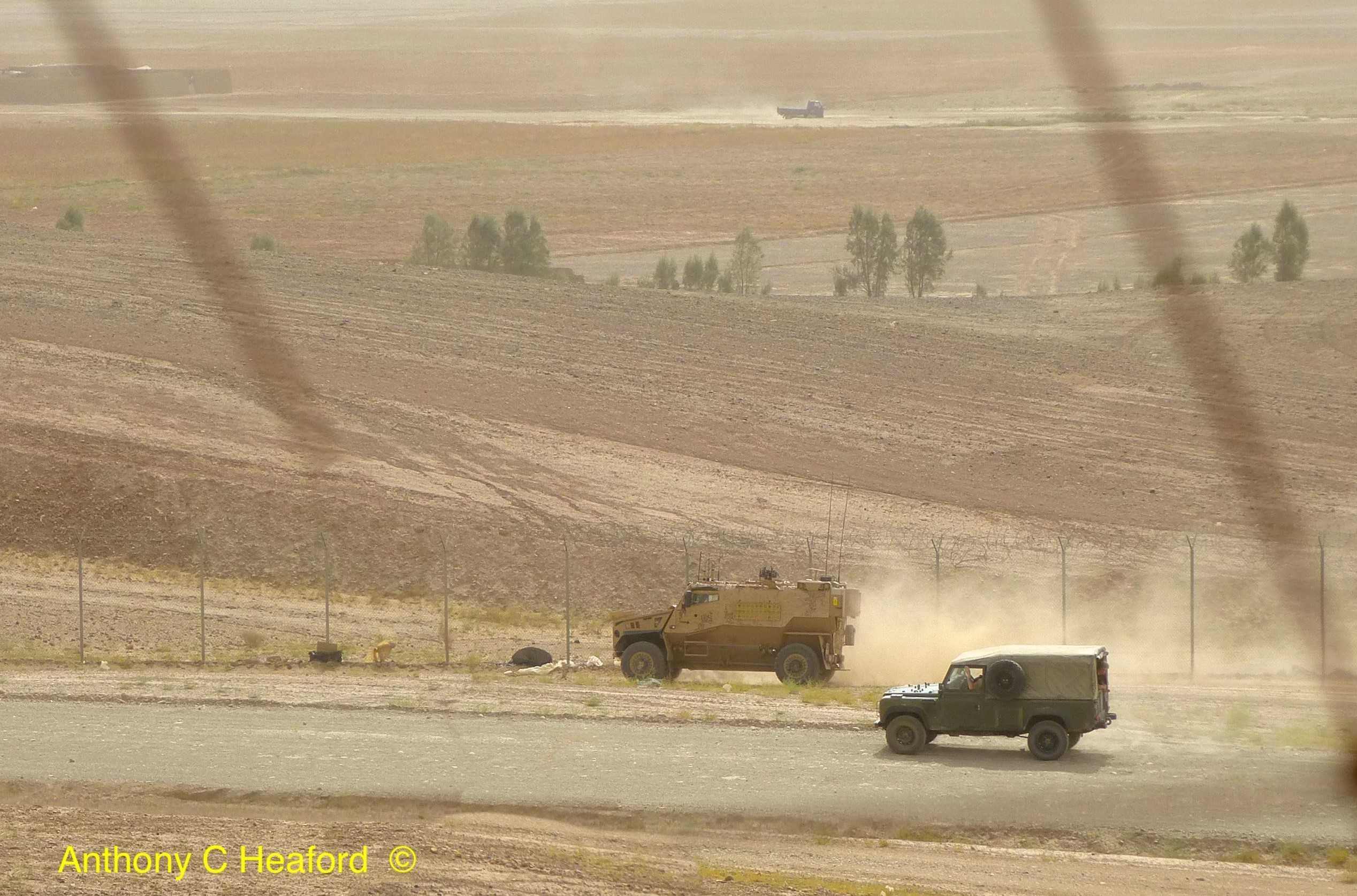
25 May 2012: Failing hot weather trials on Camp Bastion's airfield, escorted by a 60-year old Land Rover.
2 June: MoD claimed this was the first Foxhound to arrive in Bastion for hot weather trials (that it'd already failed).
Failing Hot Weather Trials
When I got back to the Light Vehicle’s Platoon after my 25 May guard duty where I’d photographed the Foxhound from my tower, everyone was talking about the hot weather trial. After attempting to drive off-road on the airfield, the Foxhound had over heated and broke down. It took an hour to cool down enough for it to be restarted. A Corporal told me the power hungry pneumatic suspension compressor and Electronic Counter Measures system (to protect against IEDs), when combined with desert temperatures and off-road driving demands, simply drew too much power from the engine. He pointed to the massive array of venting holes and said if they added any more the vehicle body would collapse on itself. He joked that if they switched the air conditioning off it might work. It wasn't possible to upgrade the engine because the entire drive system would have to be replaced too. He said it was an inherent design fault that couldn't be fixed. Everyone knew the engine was designed for speed boats (that have access to infinite water for cooling) as is confirmed in the 2017 'Trucking Useless' report. And all this was known before 2 June, when the MoD claimed the Foxhound was only just arriving in Afghanistan for hot weather trials.
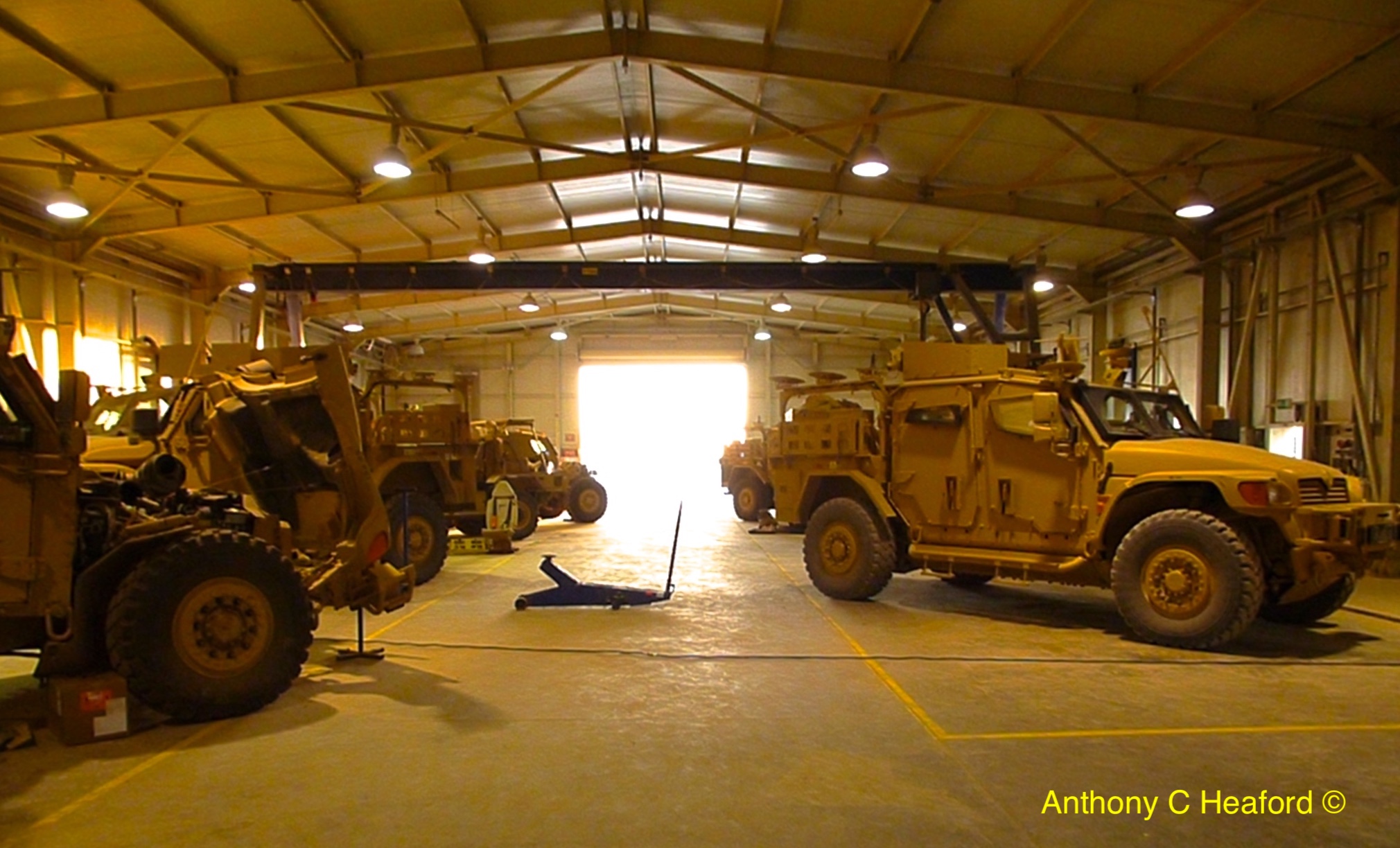
One Foxhound vehicle remained in a corner of our workshop till September, but no work was done on it and the two civilian Foxhound technicians attached to our unit kept a very low profile for the entire tour. By September I had a reputation in the platoon for speaking my mind and on the morning of Philip Hammond’s visit, when he watched the fake Foxhound patrol and visited our workshop, a junior officer told me not to mention the Foxhound’s overheating problem to him. I asked if he was ordering me to lie to a government minister and he nodded “Yes”. He returned five minutes later and sent me to another workshop for the rest of the day to ensure I didn’t cross paths with Hammond. Having spent years working as a civilian field service technician I am aware of commissioning problems and assuming the Foxhound’s faults would eventually be rectified, I didn’t report the matter or take any further action – I was only a mechanic after all. That was until I saw the 2017 news report calling the Foxhound ‘Trucking Useless!’. Realising that British profiteers – the Military Industrial Complex - were still putting British soldier’s lives at risk, I published my original report on the Foxhound corruption in December 2017. In March 2018 I was appointed a US Pentagon liaison by the US 9/11 Military Commission at Guantanamo; that relates to my meetings with Khalid Sheikh Mohammed and members of his terrorist cell near Al Qaidah town in 1997 Yemen. My liaison, Amy Zittritsch, was a Defense Information Security Officer contracted to the Pentagon by her employer CSRA – a subsidiary of General Dynamics, whose £400-million Foxhound corruption I had reported on just a few months before. I concede that's likely just a bizarre coincidence, but it does illustrate the extent of the Military Industrial Complex's reach.
Philip Hammond in 2012 Camp Bastion
My US Pentagon liaison - a CSRA / General Dynamics contractor
Foxhound Procurement History
Private Jonathan Kitulagoda was the first British combat fatality* in Afghanistan, a 23-year-old Territorial Army volunteer. He was sent out to patrol Kabul on 28 January 2004 in an unarmoured Land Rover. They were ‘testing-the-water’ for a command who really appeared oblivious to the threats they faced. One KIA and four wounded was the result. A Taliban suicide bomber pressed his body against the aluminium skinned Land Rover before detonating his explosives. Initial BBC reports said the attacker was believed to be a British citizen of Algerian descent. Private Kitulagoda’s father and the coroner were both scathing of the British command. That was the moment commanders should’ve issued an Urgent-Operational-Requirement order for suitable vehicles which were available, such as the Turkish built Otokar Cobra. The Cobra had been in service since 1997 and the unit price in 2004 was approximately £200,000 – a fifth of the price of the non-taskworthy Foxhound that was delivered in 2012. But the shameless profiteering motives of the British army's procurement system prevented that logical choice.
*Of the first three
British military deaths in Afghanistan prior to Private Kitulagoda being killed-in-action, one was 'accidentally' shot by another British soldier and the other two were a drunken murder / suicide.
The British army did have *slightly* better armoured Snatch Land Rovers in 2004 Belfast that could have been used in Kabul, but the British government wouldn’t let them leave Ireland out of fear of an insurrection there too. When the Snatch Land Rovers were deployed to Iraq and Afghanistan they were nicknamed ‘mobile coffins’. British commanders tried two other half-arsed vehicle options: first the Panther command and liaison vehicle but after adding additional armour and a weapon system they were unworkable, sinking in soft sand and in danger of toppling over. The entire fleet of 395 Panthers were sold off cheap in 2018. Next they deployed the non-combat logistics Pinzgauer vehicle after strapping random pieces of armour to it, adding a weapon system and renaming it the Vector. As well as being woefully under protected, the additional weight caused the Vector’s suspension and wheel hubs to fail. It was soon withdrawn from service but not before it had been used in 2006 to escort the Taliban cattle trucks that evacuated beleaguered British soldiers from Musa Qala, as can be seen in the Heroes of Helmand - The British Army's Greatest Escape documentary. Those soldiers were so appallingly equipped that it was the Afghan village elders who negotiated their safe exit from the besieged Platoon House in the centre of Musa Qala. After months of fighting for their lives the British soldiers were evacuated from Musa Qala in cattle trucks *driven by Taliban fighters*.
28 January 2004: Private Kitulagoda & the remains of the soft-skinned Land Rover he was sent out to 'test-the-waters' in Kabul
13 October 2006: British soldiers travelling in cattle trucks with Taliban drivers, escorted by Special Forces in the Pinzgauer / Vector
Urgent Operational Corruption
The Urgent Operational Requirement (UOR) order for a suitable light protected patrol vehicle (LPPV) should’ve been issued on the 29 January 2004, the day after Private Jonathan Kitulagoda’s death. It was eventually issued on 30 November 2010. But hinting at the procurement corruption already underway, instead of ordering a tried and tested vehicle available immediately for purchase, the Ministry of Defence ordered the prototype Foxhound (then called the Ocelot) from Force Protection Europe (FPE) Limited. And despite being pitched as an UOR, the selection process had begun in September 2009 with three British built contenders: the prototype Zephyr LPPV, a design concept SPV400, and the prototype Ocelot / Foxhound.
Procurement Corruption? What is most interesting is that on 11 November 2010, just 19-days before the Foxhound purchase was announced, FPE met with British spook Sir Richard Paniguian (Source: FOIA .pdf thanks to unredacted.uk). Paniguian worked for British Petroleum (BP) and was active in Iran during their 1979 Revolution, was pitching for BP oil contracts in post 2003 Iraq, and was deeply involved in arms sales to Libya in return for BP oil contracts. In 2008 he took one of the highest paid jobs in British government, working for the Trade and Investment (T&I) department, essentially giving away free money to select businesses and under which guise he met with the FPE representatives on 11 November 2010. Paniguian’s boss at T&I was the department’s CEO, Sir Andrew Cahn. FPE was purchased by General Dynamics in 2011 and on 23 May 2012 Cahn was appointed as a non-executive director of General Dynamics UK. Questions arising from that highly suspect activity are: did T&I ever make any payments to FPE or their associated companies? Was this revolving door of employment between a government minister and General Dynamics in any way related to FPE being awarded the UOR order? The November 2010 order was for two-hundred vehicles, but before it had even completed its hot weather trials (that both the British army and General Dynamics already knew it had failed), a further order for one hundred more vehicles was confirmed by the government on 17 June 2012. After the faked patrol that Hammond watched on 11 September, and ignoring the fact the Foxhound had failed its hot weather trials, the procurement continued until the fleet numbered four hundred total. The November 2010 UOR procurement notice highlighted a few features of the new vehicle, including:
- claiming it could operate in extreme temperatures (it couldn’t then and still can’t today)
- saying it used Formula 1 racing technology devised by engineers from the World Rally Championship, McLaren F1 and BMW (what do they know about combat vehicles?)
- saying “A lot of hard work has been put into making sure this vehicle is delivered to the front line as quickly as possible” (it took nearly two years to be delivered and finally signed in to service in September 2012, despite it still being non-taskworthy).
- boasting about its V-shaped hull design which is a concept as old as LPPVs (as illustrated by the very similar ‘Hotlips’ vehicle pictured above, from the 1960s Rhodesian Bush War)
- claiming it could continue driving on three wheels after a land mine / IED strike (therefore justifying it not even carrying a spare wheel).
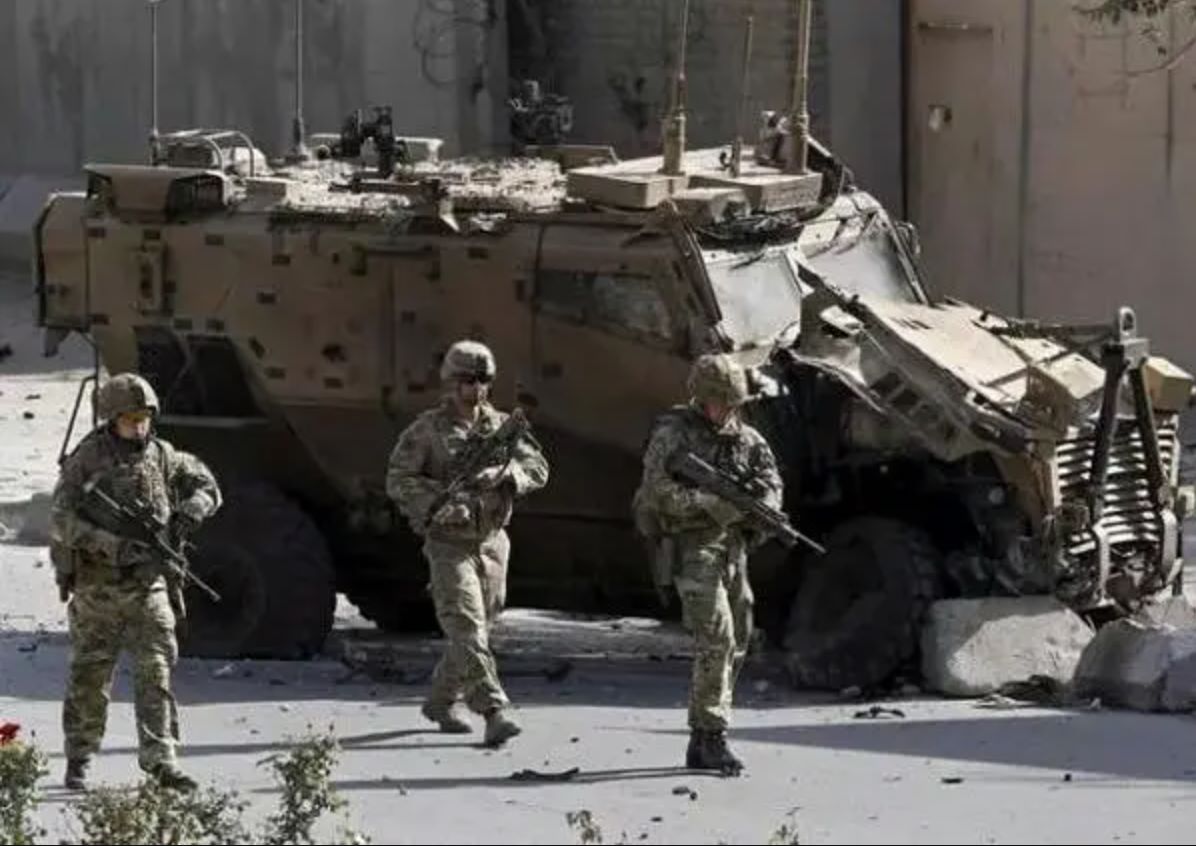
2015 Kabul: An IED damaged Foxhound with one wheel blown away
The three wheeled Foxhound is towed away by recovery mechanics
2020 Ministry of Defence: A General Dynamics contract to retrofit electric engines to the Foxhound
What isn’t mentioned is the Foxhound’s composite armour, the primary reason for its £1-million price tag. The British army had conducted extensive tests of composite armour in the 1970s, concluding that it was a nice idea but too expensive to justify using. Another issue with composite armour is that once damaged it loses it structural strength, i.e. it might stop the first bullet fired at it but not the second, third, etcetera. That structural integrity issue also means modifications are difficult, such as adding an anti-drone / anti-rocket-propelled-grenade cage to them.
Despite being signed in to service in September 2012, I don’t believe the Foxhound was ever used in its intended role in Afghanistan as a desert patrol vehicle because in extreme temperatures and demanding driving conditions (combat) it did breakdown in hot weather (as it was still doing in 2017 Iraq). It was able to operate on the tarmac roads of Kabul though and the Foxhound was soon dubbed ‘Kabul’s taxi service’ for diplomats and the like to travel the city in. But even that role was rescinded when it simply became too dangerous for the occupying forces to travel by road in the city. The Foxhound’s composite armour did protect the vehicle’s occupants from minor IED blasts, but driving on public roads in a busy capital city meant civilians in the area were killed and injured by the Taliban’s attacks on coalition forces.
The Military Industrial Complex
Military – The Foxhound over heating was known by all in the Light Vehicles platoon but no one spoke out because they knew it’d end their career. That effective complicity went to the highest commanders who setup the staged patrol on 11 September 2012 for the defence secretary to watch. How much further up the chain of command did it go? I can’t say for sure, but it was common knowledge on anonymous internet military chat forums from 2013 onwards, where more details like the £10,000 cost of the bonnet were shared, and that to realign the Foxhound’s wheel hubs, normally a local workshop job, the vehicle had to be returned to the manufacturer. To convey that in civilian terms, it’d be like having to return your car to the assembly plant every time you got a flat tire. So it seems virtually impossible that the most senior commanders up to the Chief of the Defence Staff were blind to the problem. People who did know were the soldiers on the frontline – in Helmand it meant soldiers in remote bases were left to walk between bases when they should have had a patrol vehicle to use. The soldiers in Iraq knew the Foxhound was ‘Trucking Useless’, describing the vehicle as “absolutely shit”. It was one of those soldiers, a senior non-commissioned officer nearing retirement, who eventually blew the whistle in 2017. How many soldiers were killed or maimed because of this corruption? I guess it’s in the hundreds. British kit shortages, from night vision gear to patrol vehicles, undoubtedly gave the Taliban another advantage and cost our allies dearly.
Industrial – The Foxhound civilian technicians attached to the Light Vehicles platoon in Camp Bastion certainly knew of the overheating / breaking down fault and appeared so ashamed they rarely left their air-conditioned cabin. Why didn’t they speak out? Because like everyone else they knew it wouldn’t change anything other than their own career prospects. Did Force Protection Europe and General Dynamics management know about the problem? I’d say without doubt that they knew, but the reason for their silence was shameless profiteering, not giving a ‘care’ about the frontline soldiers so long as they got their cut of the industrial scale corruption. And when they can continue selling spare parts like bonnets for £10,000, they’re unlikely to ever come clean until put under Oath in a court of law.
Complex – This, as the name suggest, is very complex. I’ve said throughout this report that General Dynamics are responsible, but it is in fact a subsidiary of the American company, General Dynamics Land Systems. How does that differ from General Dynamics UK who gave Sir Andrew Cahn his non-executive directorship in 2012? I’ve no idea, it’s all too complex for me to begin investigating but I hope someone will. The British factory where the Foxhounds were built was supposed to create five-hundred-and-fifty skilled jobs in a politically marginal constituency which is why the government’s Trade and Industry department may have given them government funding and fixed the UOR selection process – to secure votes in the next election. The last informal report I heard is the Foxhound factory is struggling to support fifty employees. Was defence secretary Philip Hammond aware of the corruption he oversaw when he kept ordering more Foxhounds? Again, I can’t say for sure, but I hope one day he’ll be made to answer for himself, under Oath in a court of law.
General Dynamics, the AJAX Vehicle and Private Equity
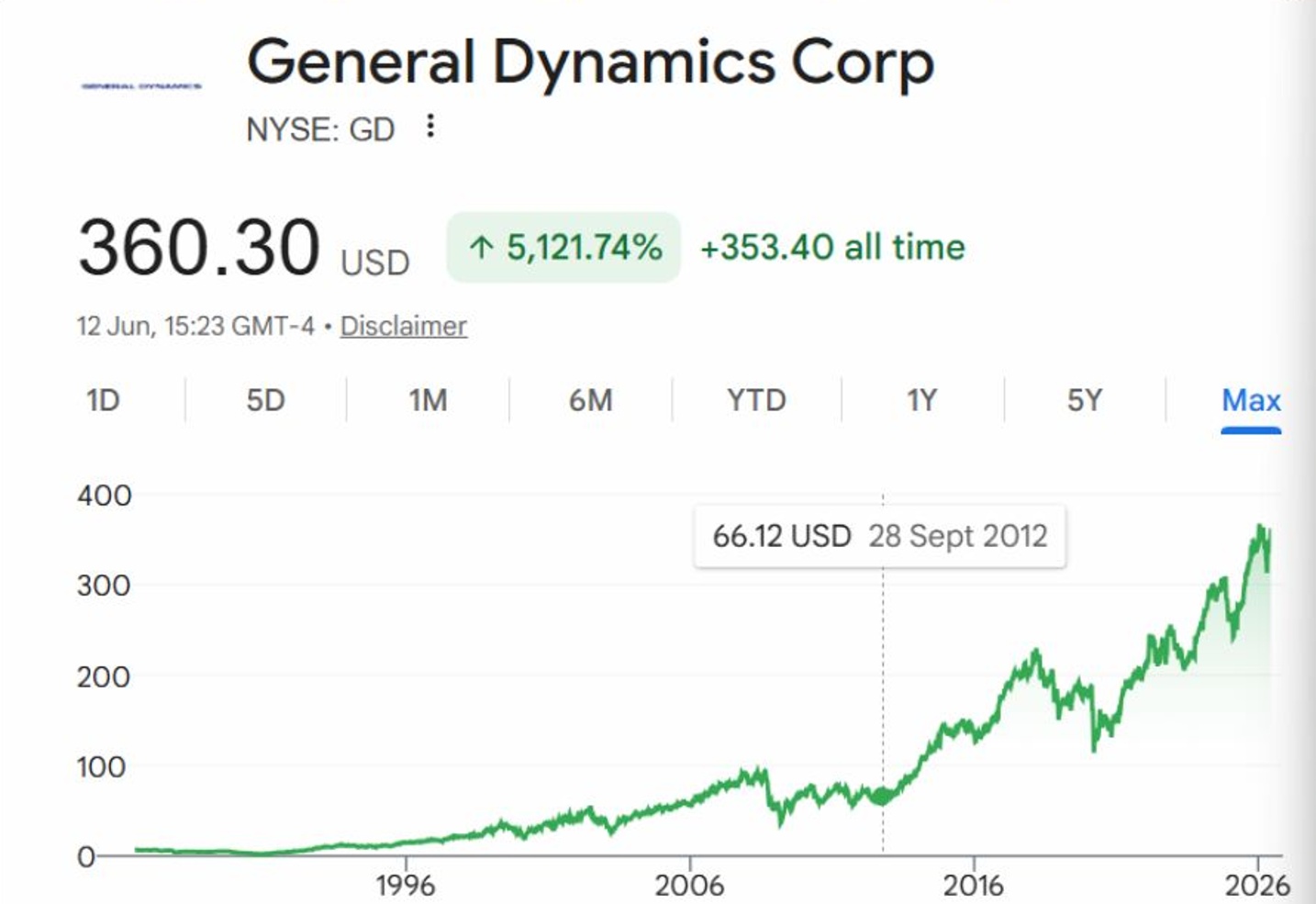
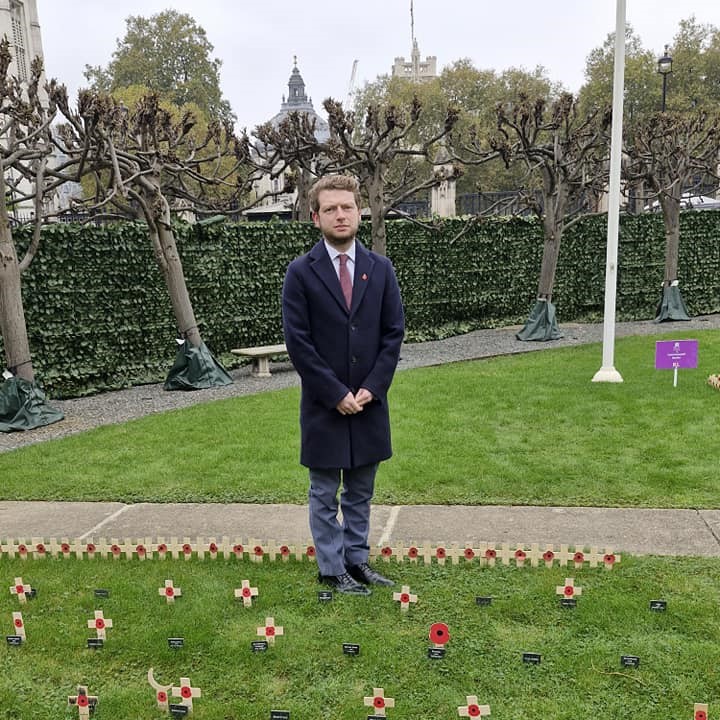
Gen Dyn Corporation is owned by private equity investors Blackrock (7%), Vanguard (7%), Gen Dyn Trust (5%), State Street (4%), etc. They’re wise investors because they know General Dynamics is Too Big To Fail, meaning their massive accounts are settled by His Majesty's Government. And despite still throwing money at the £400+ million Foxhound farce, that remains small change. HMG has paid Gen Dyn £4.66-Billion for another armoured vehicle that Does Not Work either – the Ajax. Like with the Foxhound, the MoD was so determined for those to work it forced soldiers to drive in them until they were hospitalized by the Ajax’s appalling crew conditions. Whoever did that should be charged with endangering British soldiers’ lives to cover for a private equity owned corporation. But I doubt they will, just like nothing happened about the Foxhound. I have written to my MP about this, Mr Connor Rand, and while he puts on a sad face for poppy photo opportunities he won’t even forward a letter for an Afghanistan war veteran – me. Rand refused to pass my Foxhound report to parliament / the MoD.
I hope this updated / redrafted report might prompt someone somewhere to ask:

"who’s got our frontline soldiers’ backs?"

Connor Rand MP milking poppies, demanding defence spending & Gen Dyn share price.